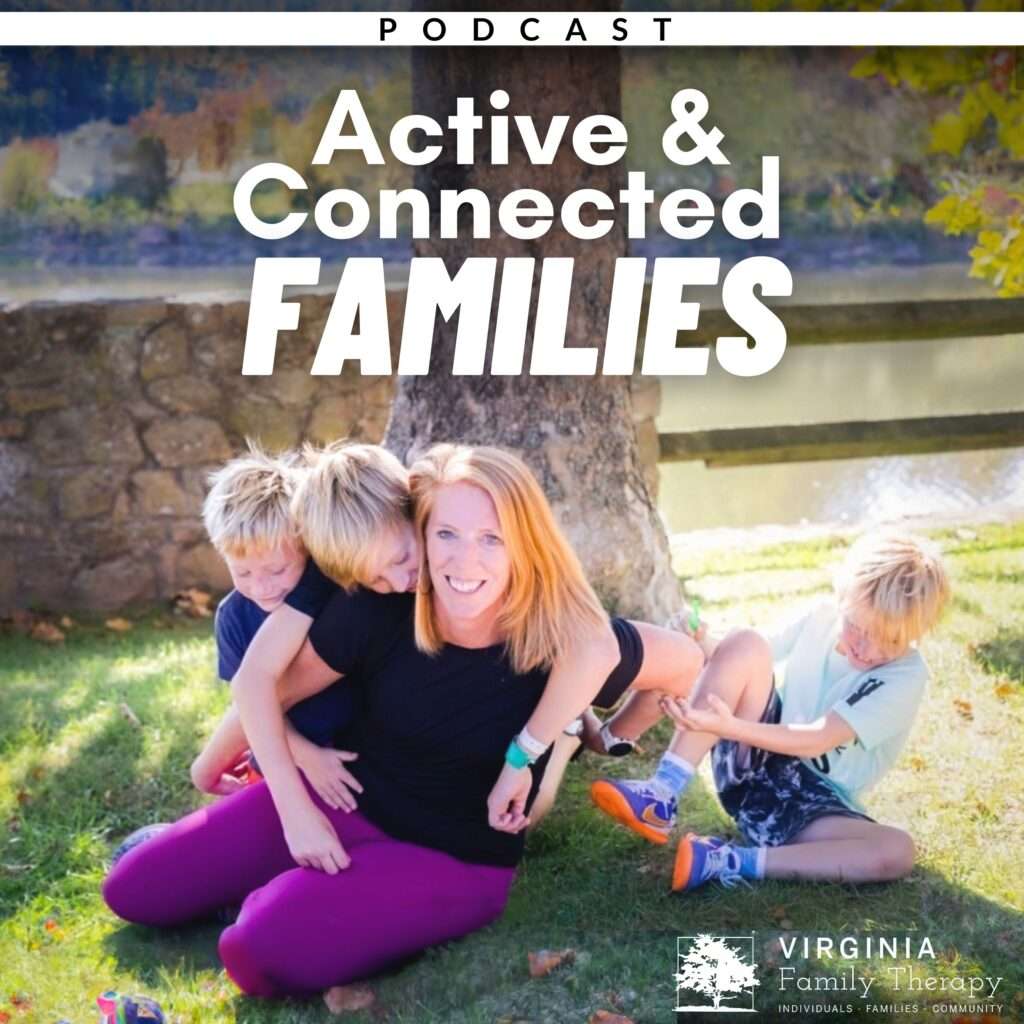
If the holidays feel a little lonelier or more complicated than they used to, you’re not imagining it. Families across the country are navigating a loneliness epidemic at the same time that many of the traditions and community structures that once held us together are shifting. For parents especially, this moment can feel confusing: we want connection, we want belonging, and we want our kids to feel anchored, but everyday life keeps pulling us toward more isolation, not less and it’s affecting our family’s mental health. Luckily, small acts of connection can help us beat loneliness.
Why Families Are Feeling More Lonely Than Ever
One thing I’ve learned as the CEO of Active & Connected Family Therapy is that these patterns don’t show up in just one home. When something feels “off” in my own family, I can almost guarantee I’ll start to see the same themes rising across our caseload. This season, that theme is loneliness: the ache for community, for shared meaning, for belonging.
For decades, places like churches, synagogues, temples, neighborhood associations, and even swim teams created built-in ways for families to connect. But over 40 million Americans have stopped attending church in the past 25 years, and while some have found alternative communities, many families simply haven’t.
Kids now spend more time alone in their bedrooms. Parents feel the loss of those predictable weekly touchpoints. And holidays, a time once structured around collective rituals, can suddenly feel quieter, flatter, or just different.
Why Belonging Matters for Family Mental Health
Here’s the good news: our hearts and minds don’t actually care where we find belonging. Whether it’s a church or a school, a sports team or a neighborhood, or even a group of friends, the benefit is the same. Humans are wired to thrive when we feel part of something bigger than ourselves, and our kids are no different.
This is where the holidays can become an opportunity. Instead of trying to re-create traditions that no longer fit, we can choose to build new ones rooted in generosity, community, and shared purpose, the exact ingredients that protect our kids’ mental health.
Small Acts That Beat Loneliness And Strengthen Family Connection
By helping our kids get involved in simple acts of giving and community service, we help them experience the connection and belonging that are essential for their mental health.
This doesn’t require a massive family overhaul or a picture-perfect holiday. Some of the most powerful acts of connection are small and simple. It might look like:
- a day of volunteering as a family,
- hosting a low-stress neighborhood gathering,
- participating in every coat or food drive you pass,
- or putting up lights for a neighbor who can’t do it themselves.
These gestures not only support others, but also make our kids feel part of something bigger. It might just give them the sense of community they’re lacking.
Making Time for Connection to Beat Loneliness
As parents, we’re juggling so much this time of year: school events, work deadlines, family logistics, gifts, travel, and sometimes grief or sadness about the traditions and people we miss. No wonder we feel overwhelmed.
But leaning into that longing for connection, instead of ignoring it, is actually the thing that protects our mental health and our kids’ mental health.
This holiday season, I hope you’ll give yourself permission to slow down, look around, and choose one small act of community. Not because it’s another item on your to-do list, but because it’s one of the most powerful ways to help your children feel grounded and supported during a time when so many families feel untethered.
Happy Holidays, friends. I’m thinking of all of you as part of my community.
Learn More on Our Podcast
Have a listen to Active & Connected Families, episode ‘Beat Loneliness With Small Acts of Connection This Holiday Season (And Beyond)’ on YouTube, Spotify, Apple Podcasts or any other podcast player.